
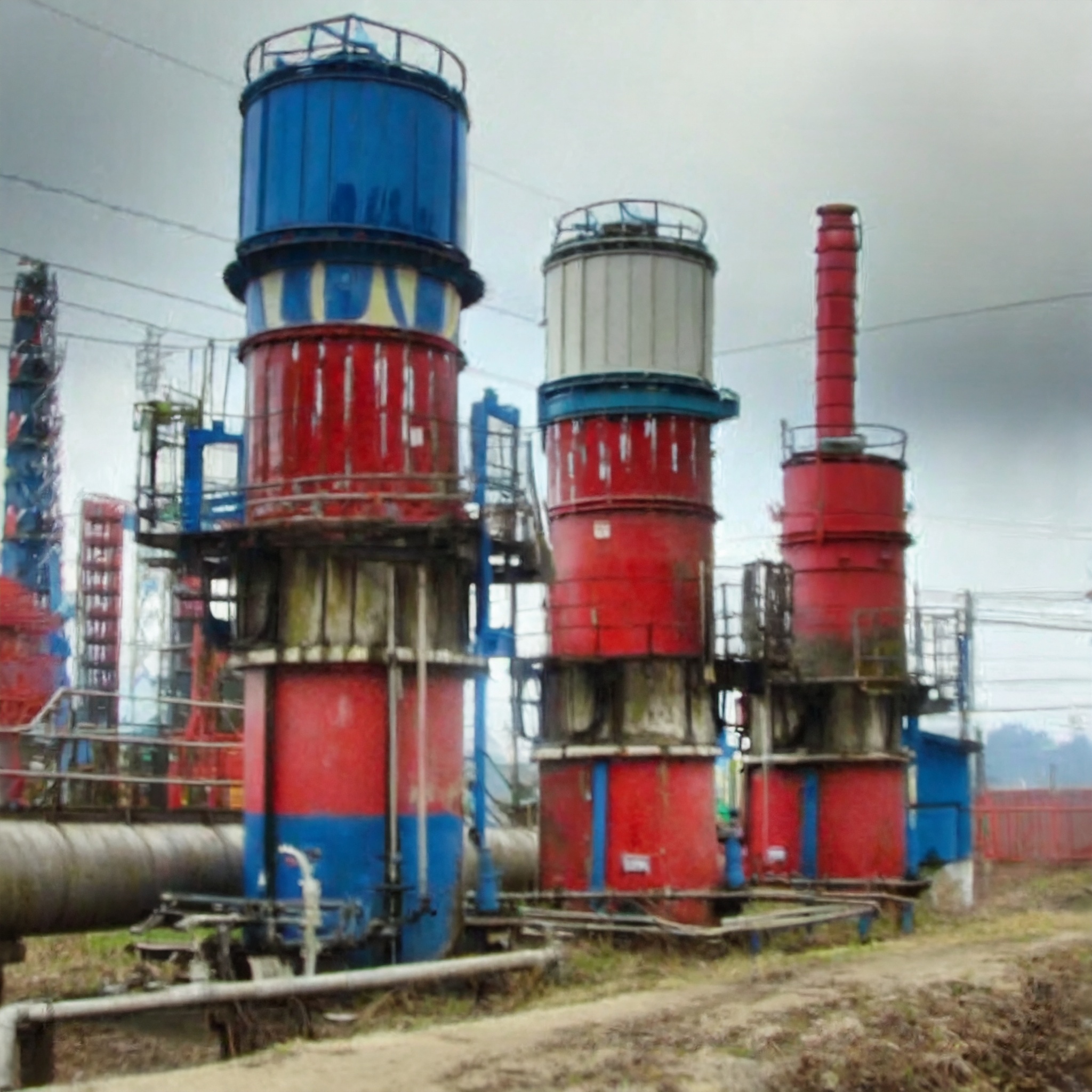
The PCBs, or polychlorinated biphenyls, are a group of synthetic chlorinated organic compounds widely used in various industrial applications, including electrical transformers, capacitors, hydraulic fluids, and insulators. Their production has been banned in many countries due to adverse effects on human health and the environment. As persistent organic pollutants (POPs), PCBs are chemically stable, not easily decomposing, and accumulate in sediments, soils, and organisms, spreading through the air, causing global contamination. Linked to human health issues, they impact the reproductive, immune, and neurological systems, raising ongoing health concerns. Decontamination efforts involve removing PCB-containing equipment and proper waste management. Continuous monitoring of PCB levels is crucial to assess progress and safeguard human health and ecosystems.
PCB/PBB/BDE

The PCBs, or polychlorinated biphenyls, are a group of synthetic chlorinated organic compounds widely used in various industrial applications, including electrical transformers, capacitors, hydraulic fluids, and insulators. Their production has been banned in many countries due to adverse effects on human health and the environment. As persistent organic pollutants (POPs), PCBs are chemically stable, not easily decomposing, and accumulate in sediments, soils, and organisms, spreading through the air, causing global contamination. Linked to human health issues, they impact the reproductive, immune, and neurological systems, raising ongoing health concerns. Decontamination efforts involve removing PCB-containing equipment and proper waste management. Continuous monitoring of PCB levels is crucial to assess progress and safeguard human health and ecosystems.

PCB 097

PCB 097

41464-51-1

DISCOVER
PCB 047

PCB 047

2437-79-8

DISCOVER
PBB 052

PBB 052

59080-37-4

DISCOVER
PBB 049

PBB 049

60044-24-8

DISCOVER
PBB 103

PBB 103

59080-39-6

DISCOVER